OUR STORY & PHILOSOPHY
Last Island was created out of a necessity when life long Louisianan, John A. Landry, temporarily relocated to Fort Worth for a job in real estate development. A lifetime conservationist and outdoorsman from New Iberia, LA, John and his wife just couldn’t find shrimp that met their standards in Fort Worth. To solve this problem, John would bring back ice chests of shrimp from fishing trips at Grand Isle, LA. He was not only able to satisfy his cravings, but impress the friends he shared with as well.
Their enthusiastic reactions prompted John to realize the untapped market for wild seafood both as a delicious source of protein and an alternative to the unethically farmed options available to most consumers. On a whim, he tapped into his connections at his alma mater, the LSU School of Agriculture, and his friends down the bayou and got to work sourcing and shipping premium US shrimp around the country. And so, Last Island was born, bringing a new source of tasty and environmentally friendly seafood to the United States.
Last Island Shrimp offers wild-caught, premium seafood caught by trusted and respected American fishermen. Their catches are sold just as we find them in nature: without preservatives, hormones, pesticides, or antibiotics. Wild seafood has far more room to swim and live freely, as opposed to the cramped, often dirty or chemically sterilized conditions found in farm ponds.
Our delectable seafood doesn’t just taste great- it's shipped in ocean-safe packaging. Each sale also puts a portion of profit back into coastal restoration and ocean conservation, which makes our love affair with seafood possible. If you’d like to access a higher quality of seafood, while improving labor and environmental conditions at home and abroad, look no further than Last Island.
_
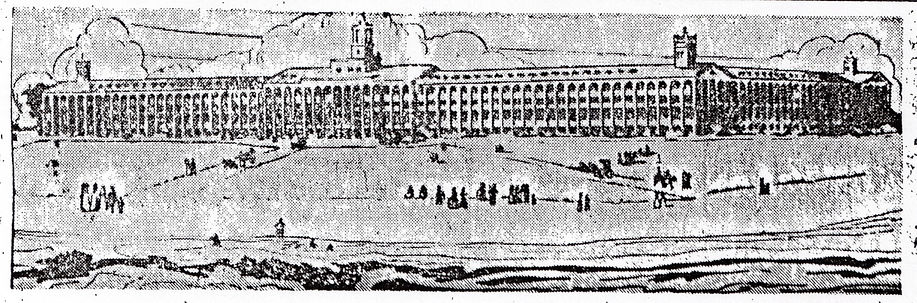
The actual Last Island, a 19th century resort on a coastal island off Louisiana, was one of the first recorded casualties from a gulf hurricane, when it was destroyed by a surprise storm in 1856. Most were lost, but Last Island stands today as a protected wildlife refuge.